
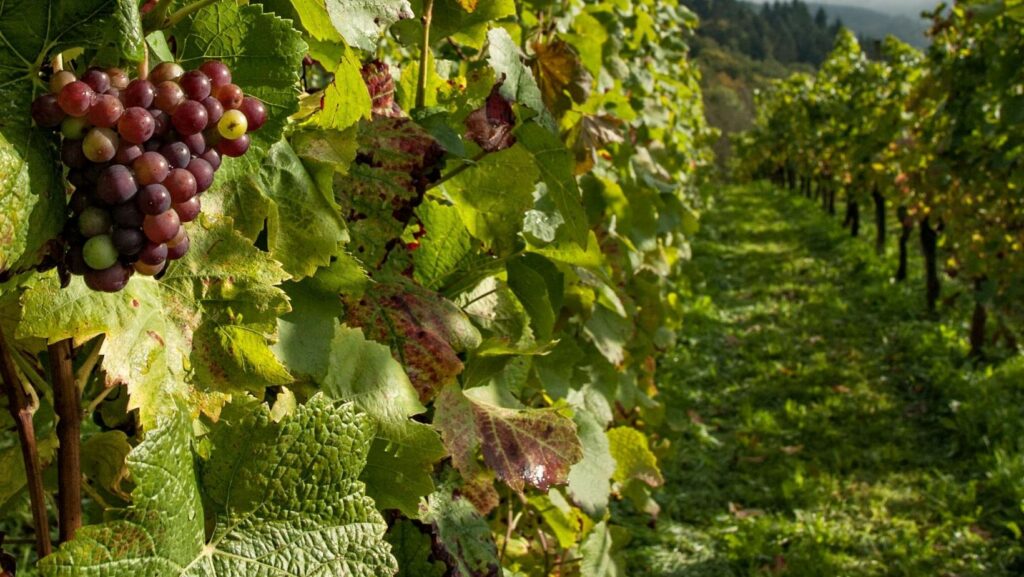
The Alps are known for stunning scenery, charming villages and adventurous activities but beyond the valleys and snow-capped peaks lies an artisanal production landscape. Locally run vintners, mountain-based brewers and craft distillers search for the terroir, character and culture of the region and find everything from high-altitude white wines and herbal spirits made from foraged botanicals to small-batch golden ales made from glacial runoff. A drinking culture exists throughout the Alps embodied by what locals put in their glasses, and while larger producers are situated in obvious spots, it’s those more remote in the area’s mountains that provide the most authenticity. Explore some of the best producers across the Alps north to south and east to west for a true authentic experience from artisanal creation to nature’s bounty to local culture.
High-Altitude Winemakers Reaching New Mountains And Vintages
Yet high-altitude vineyards boast some of the most nuanced, delicate wines across Europe. Transport from Turin to Cervinia resorts offers an easy way for travelers to explore these exceptional Alpine wine regions, where rugged terrain and unique climates shape unforgettable flavors. Steep slopes rely upon natural minerality for nutrient absorption; cold nights and hot days strike the proper balance to ensure acidity and aroma are in their ideal expressions. In many cases, high-altitude wineries rely on hands-on processes as machinery cannot navigate the terrain, so visiting one feels like stepping back in time to something truly special. Therefore, it’s not uncommon to find crisp whites, delicate rosés, and strong reds infused with notes of mountain herbs, stone fruits, and crisp alpine air on the tasting menu. Each glass reflects its dramatic surroundings, allowing makers to create an incredible experience for all who are fortunate enough to indulge.
Family-Run Vineyards With Generational Roots and Branches in the Alps
Many regions produce wines that are generations-old crafts passed down through family-run vineyards. Specialized in more robust, native varietals like Petite Arvine, Nebbiolo, Sylvaner, or Gringet, small producers have blossomed into beloved markers of regional identity as they create taste profiles layered in history. Families who’ve owned vineyards for centuries often combine old-world techniques with modern innovations for a nuanced taste experience that feels both timeless and fresh. Intimate tours led by the winemakers themselves, tastings held in ancient cellars, and stories of how the vineyard persevered through harsh winters, steep terrains and varying climates make them a must-see, must-taste piece of any wine lover’s Alps adventure.
Alpine Breweries Perfecting Craft Brews With Glacier-Fed Waters
Alpine breweries source some of the best and purest waters as craft brewers boast their beer made with glacier spring runoff. Extremely crisp and clean drinking water boasts mineral notes that help infuse this liquid with an incredible refreshing taste unlike any lowland beers. Moreover, many mountain towns are small yet charming; small, mountain breweries utilize small-batch production of barley grown within the proximity alongside artisan crafted Alpine herbs and wild yeast strains to make something that’s uniquely theirs. Many focus on small-batch, brewing exclusively, relying on nuanced approaches to ensure each pint is made with quality over quantity – the pure mountain air fosters such sensibility. Therefore, travelers can find everything from light, aromatic lagers to fragrant pale ales to hearty mountain stouts with body and creamy head. Drinking a beer brewed at high altitude brings the overwhelming sense of drinking the entire landscape – crispy, aggressive and poised with flavor.
Where Tradition Brews – Distilleries Creating Mountain Spirits
Distillation has long been an inherited art throughout the Alps as families have created treasured spirits out of the mountain air for generations. From herbal liqueurs to fruit brandies, there’s much to choose from, and it’s common for artisans to source special herbs and fruits exclusively from the meadows, orchards, and forests of their specific regions. Mountain plants and herbs like gentian, pine and juniper, or alpine flowers combine to create spirits with dynamic aromas reminiscent of the great outdoors. Many of these distilleries utilize copper stills and traditional methods, meaning every bottle comes with ancestral wisdom. A trip to one of these distilleries aligns guests with a world where patience and respect for Mother Nature create beverages full of cultural intrigue.
Taste of The Alps – Mountain Herbs as Liqueurs
Liqueurs are a specialty aligned with herbal blends of wild herbs, roots, berries and flowers. People often sip liqueurs after a meal as digestifs to warm the heart and stomach while providing medicinal benefits. Recipes often stay within families for generations, creating unique flavors for regional varieties as the smell and taste can be intense – bitter or sweet but always reflective of the mountains. Tasting liqueurs in their hometown context introduces guests to the very products that are plucked, soaked and fermented into these miraculous spirits. The stories behind each unique blend add to the context, creating an experience like drinking the mountains themselves.
Where Innovative Beers Brew – Microbreweries Creating Craft Beer
In the last decade, innovative microbreweries pop up every day across The Alps, crafting beer with traditional brewing methods while also adding their levels of creativity. Seasonal ales infused with mountain fruits or small-batch IPAs emphasizing intense aroma profiles headline may smaller brews in addition to barrel-aged beers aged in familiar cellars. Despite their new-age approach, these brewers align closely with the identity of The Alps, sourcing ingredients locally while understanding that their ancestors made liquor for generations and were self-sufficient craftsmen. Visiting a microbrewery shows a younger side of The Alps where new-age craftspeople inspire passion from old-age tradition.
Agricultural Origins of Unique Fruit Brandies
Alpine fruit brandies, called eaux-de-vie, are made from apples, pears, plums, cherries, and apricots in mountainous orchards where the chill of the air enhances fruit flavoring and brandy production by crafting spirits that are aromatic, mellow, and characterful. Distillers boast of hand-picked and fermented fruit collections for the proper duration and temperature to capture the essence of sweet. You can even visit some of these distilleries to sample the spirit fresh where family-owned enterprises highlight their hard work and the work of others who contribute to the agricultural and crafting prowess of these regions’ culinary magic over decades and centuries of history.
Terraces With Valley Views
Some of the best memories people have of Alpine wines are those time spent on terraces where tastings observe expansive views of valleys, vineyards, and distant mountain peaks where the air is almost as crisp as the whites and golden as the chardonnays and pinots. There’s something special about enjoying a glass surrounded by where it came from with the golden sun shining down. An emotional attachment builds with every quality craft either producing a mineral-driven white or an expansive merlot that feels even more flavorful when set against the background of its origin.
Subterranean Cellars and Historic Tasting Rooms
A step through time is what it feels like to go into a centuries-old cellar in the Alps. The stone walls, wooden barrels, cool scents of aging spirits or wines fill the nooks and crannies of various places that exist sub-level to some farms, monasteries and inns throughout the Alps. A tasting room made from such historic spaces features an intimate setting where producers boast of their family endeavors, fields in use and territories carved out from so much history. It’s hard to experience depth across generations and at present inside a bottle without meeting where it all began.
Farmhouse breweries and rural distilleries worth the trek
Some of the best of the region’s breweries and distilleries are the ones off the beaten path, deep in a rural valley. Farmhouse breweries and distilleries rely on time-honored recipes, limited production yields, often with their own raw materials used in creation. Visiting these places transports one to a different time and space – rustic, quiet, near nature – as guests are given tours of the brewery or farm, opportunities to meet the makers, and tastings that reveal just how authentic these products are. This is the spirit of the Alps in a glass (or a pint), and when you take the time to go out of your way, it makes it all the more worthwhile.
Alpine Products to Bring Home
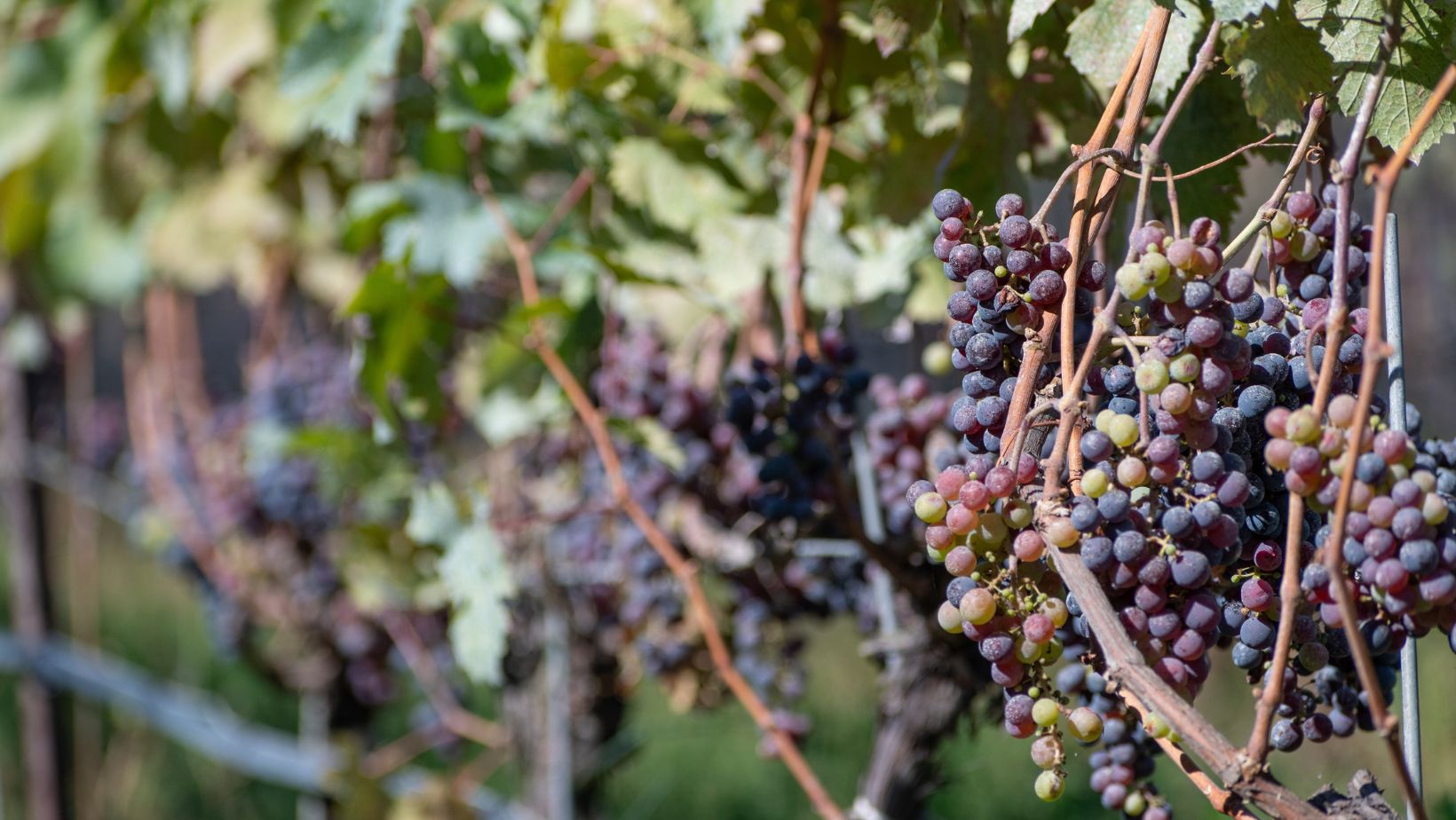
No visit to the Alps would be complete without at least a few bottles from one or multiple handcrafters. Whether its fresh whites born from steep vineyards, liqueurs made of dried herbs from up-mountain plants, small barrel-aged beers or schnapps made from the fruits of the season (local currants, apples, berries), these products come crafted from time and place. What’s more, many producers provide limited-time blends or specialties only available at their cellars. Even if you’ve tried a specific boozy treat during your stay, it won’t be quite the same as taking home the offer from the source – and even better, the memories associated with the unique flavors that only the mountains can provide. One bottle might be an accent on a vacation story. A few are a mosaic memory that lives on – sipping that spirit gives one a taste of where they’ve been, who they’ve met, and what they’ve learned about regional culture.
Cocktail culture and contemporary mixology in the Alps
In trendy bars and niche-lodges across the Alps, cocktail culture reigns as modern mixology takes time-honored spirits and infuses them with new-age palates. Up-mountain flavors are infused into mixed drinks. Pine, gentian, elderflower, alpine berries – all make an appearance in new-age offerings that transform one’s drinking experience into something both cutting-edge and steeped in legacy. Many bars operate within reach of small-batch distilleries, utilizing what’s nearby to create spritzers infused with forest herbs or other combinations of syrups distilled from foraged fruits. These craft cocktails are as natural as they come – and enjoying them in panoramic overlooks, fireplaces in cozy lodges, or chic settings gives one an entirely fresh perspective on life in the Alps beyond novice travelers’ expectations. Mixing something special becomes a celebration of mountain identity like never before!
Alpine Tasting Routes and Scenic Wine Trails
Many regions of the Alps host tasting routes to distilleries, breweries and vineyards set into mountain roadsides. Scenic wine trails provide great access to regional specialties while the most beautiful views of the region. One can almost see large terraced vineyards carved into the mountainsides in the distance, the valleys beyond filled with apple orchards or small towns with centuries-old cellars through which the paths wind; the speed at which one can traverse this cultured avenue – on foot, on bike, in a car – stimulates discovery and attachment, with many stops along the way with chances to learn from the makers about their craft. An experienced vintner might talk about the different types of soil and divisions of the vineyard while one sips. The local brewmaster might connect over a family recipe that’s been stagnant for generations. The master distiller may even let slip anecdotes from a past life before mastering this craft in an apprenticeship. It’s not just a stop for a drink, it’s a necessary part of the life up in the Alps.
Seasonal Limited Release Brews and Spirits of the Mountain
With seasons so distinctly defined by the geography, many craftspeople also have seasonal blends and limited release editions of their spirits and brews, too. For example, during spring one can expect floral inspired spirits from herbs that are found first blossoming. In summer, a light beer with lighter grains or blended with berries found higher up on the mountain is easily had. In autumn, heavier reds can be tasted while processed liqueurs from roots plucked up before winter are on hand. In winter, stronger spirits or spicier offerings abound with wafts of nutmeg, cardamom and caramelized fruits. Such limited release editions are tributes to what is available – and crafted – at that time; they signal a change in landscape and a special synergy between creator and nature. Therefore, to drink one’s seasons is to enjoy their climate, harvest and craft all in one bottle.