
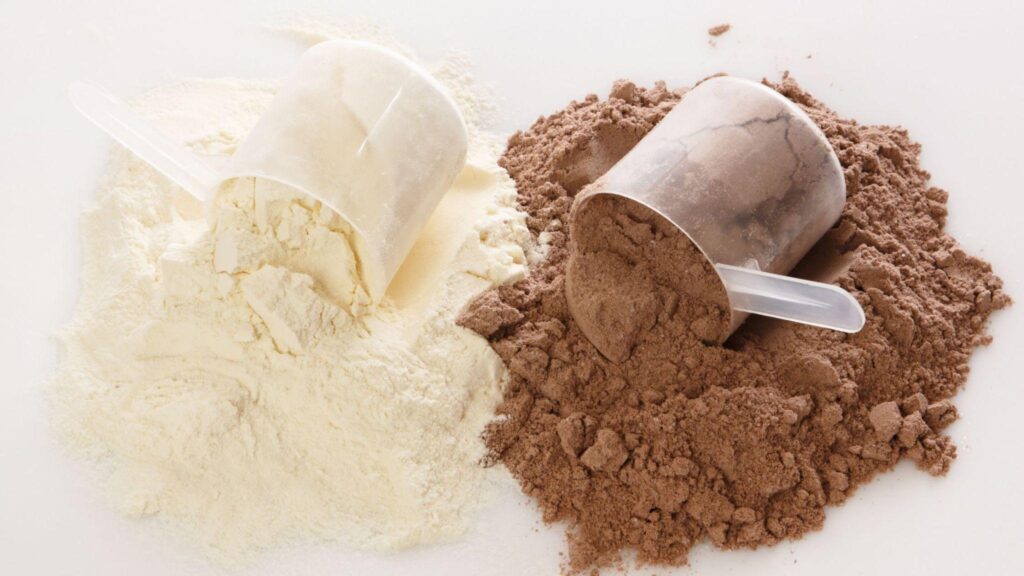
Whey protein is the most widely used sports supplement in Australia and one of the most researched compounds in sports nutrition. The evidence behind it for muscle building, recovery, and body composition is broad and consistent. The range of products available, however, varies considerably in quality.
Whey Protein in Australia: What the Market Looks Like
The Australian whey protein market is well-developed but uneven. Products at similar price points can differ substantially in protein quality, dose accuracy, ingredient sourcing, and manufacturing standards. Marketing claims on the front of the pack are rarely a reliable guide to what’s inside.
Whey protein in Australia comes in three main forms: whey protein concentrate, whey protein isolate, and whey protein hydrolysate. Each undergoes a different degree of processing after the initial separation from milk, which determines the protein concentration, fat and lactose content, and absorption speed of the final product.
Understanding the differences between these forms, and knowing what quality markers to check on any product, is more useful than relying on brand recognition or advertising spend to make a decision.
What Whey Protein Concentrate Is
Whey protein concentrate is the least processed form of whey. After liquid whey is separated from milk solids during cheese production, it undergoes filtration to remove water and some fat and lactose, but less aggressively than the processing applied to isolate or hydrolysate. The result is a powder that typically delivers 70 to 80% protein by weight, with small amounts of fat and carbohydrate remaining alongside the protein.
Whey protein concentrate retains more of the naturally occurring bioactive compounds present in whey than more processed forms. These include immunoglobulins, lactoferrin, and growth factors that are partially removed during the additional filtration WPI requires. The retained fat also contributes to a richer flavour and creamier texture, which many people find more palatable over the long term than the thinner profile of more refined products.
What WPC delivers nutritionally
A standard serve of WPC typically provides 24 to 27g of protein alongside a small amount of fat and carbohydrate. The calorie count per serve is modest, sitting between 120 and 160 calories depending on the formula.
The amino acid profile is complete, covering all nine essential amino acids including leucine, the primary trigger for muscle protein synthesis. Leucine content in a quality WPC sits at 2 to 3g per serve, which is within the range research associates with a meaningful muscle-building response.
The small fat content slows digestion slightly compared to WPI, which means amino acids reach the bloodstream a little more gradually. For most uses outside the immediate post-workout window, this difference is not meaningful in practice.
Who WPC Suits Best
Whey protein concentrate suits a wide range of people and training goals. It’s the most versatile and cost-effective whey option for most situations.
People in muscle-building phases benefit from WPC’s complete amino acid profile and modest carbohydrate content, which supports energy availability and recovery without complicating macro tracking significantly. The richer flavour and texture also makes daily use more sustainable than products that sacrifice palatability for a leaner nutritional profile.
Everyday active people who want a reliable protein source for general health and dietary adequacy rather than specific performance goals are well served by WPC. It provides high-quality complete protein at a reasonable cost per serve without the premium associated with more refined forms.
People who digest dairy well and don’t have specific reasons to choose WPI are the natural WPC audience. The lactose retained in WPC is a consideration for anyone with sensitivity, but for people who tolerate dairy comfortably, it presents no issue.
When WPI Makes More Sense Than WPC
WPC is the right default for most people in most situations. There are three specific circumstances where WPI is the stronger choice.
During calorie-controlled or cutting phases, WPI delivers more protein per calorie. The lower fat and carbohydrate content means a higher protein-to-calorie ratio that adds up over weeks of managed eating. For people tracking intake carefully, this efficiency matters.
For people with lactose sensitivity or intolerance, WPI removes most of the lactose that causes digestive discomfort with WPC. The additional filtration makes it significantly better tolerated in this population.
Post-workout specifically, WPI’s faster digestion rate means amino acids reach muscle tissue sooner after training. For people who prioritise the post-training window, this gives WPI a modest but real edge over concentrate.
Outside these three situations, WPC performs comparably to WPI and costs less. The decision to pay the WPI premium should reflect a specific need, not a general assumption that more processing equals better results.
What to Check Before Buying Any Whey Protein
These quality markers apply across all whey protein forms and are the most reliable way to assess a product before buying.
Protein grams per serve should be stated clearly on the nutrition panel. The actual gram figure matters, not the percentage or the serve size. Every ingredient and its dose should be individually disclosed, with no proprietary blends hiding the amounts. The protein figure should come from the whey source itself, not from cheaper amino acids added to inflate the nitrogen count on testing. Independent batch testing by an accredited third-party laboratory confirms that what’s on the label reflects what’s in the product. Facilities certified to ISO and HACCP standards operate under strict production controls across every stage of manufacturing and are a meaningful indicator of consistency and quality.
FAQs
Is whey protein concentrate good for weight loss?
Yes. Adequate protein intake during a calorie deficit preserves lean muscle mass, which protects metabolic rate and supports body composition outcomes. WPC fits a fat loss phase well when total calorie intake is managed. WPI offers a slightly leaner option per calorie for people tracking intake very carefully.
How many serves of WPC should I take per day?
One to two serves per day suits most people training consistently. Protein supplements complement whole food intake rather than replace it. The goal is hitting your total daily protein target across all sources, not maximising supplement serves.
Does WPC cause bloating?
It can for people with lactose sensitivity. The lactose retained in WPC is the most common cause of digestive discomfort with whey protein. Switching to WPI, which removes most of the lactose, typically resolves the issue.
Can I mix WPC with milk instead of water?
Yes. Mixing with milk adds protein, carbohydrates, and calories from the milk alongside the WPC. It improves flavour and texture. If you’re tracking macros carefully, account for the additional calories. For people in a muscle-building phase wanting an easy calorie addition, milk is a practical option.
How long does a tub of WPC last once opened?
Most products remain good for 6 to 12 months after opening when stored correctly in a sealed container in a cool, dry place. Check the best before date and avoid storing in humid environments where moisture can affect the powder.