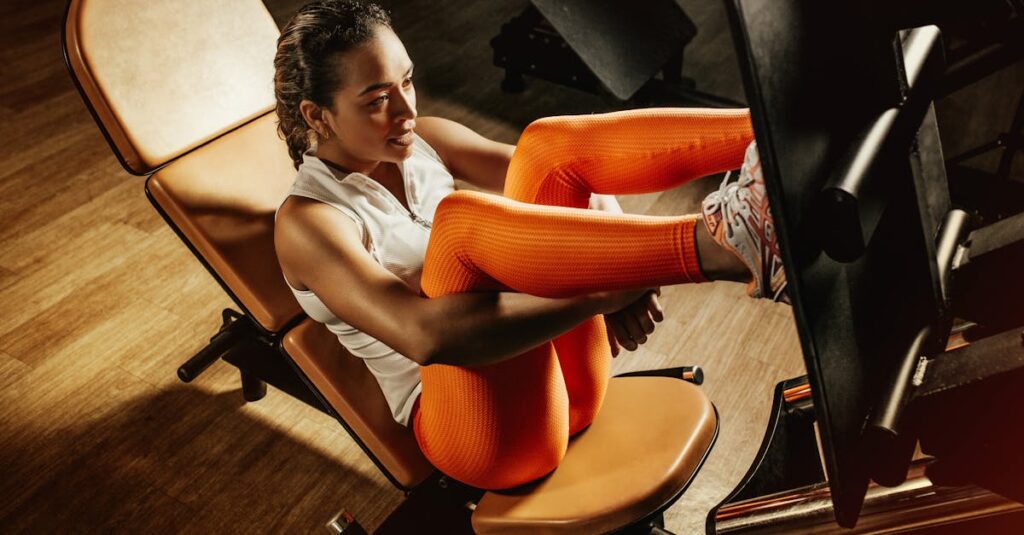
Over the past decade, strength training and bodyweight conditioning have become central pillars of functional fitness for women of all age demographics. As training methodologies evolve, there is a growing demand for fitness equipment tailored specifically to female anatomy. Standard fitness equipment historically followed unisex designs, which often resulted in sub-optimal fit and discomfort for female athletes. Modern manufacturers are increasingly addressing these design gaps, particularly in the realm of resistance wearables.
Weighted vests represent one of the most versatile categories of conditioning gear. Whether used for bodyweight circuit training, casual walking, or body-weight calisthenics, a well-designed vest can amplify intensity without requiring bulky fitness machinery.
Anatomical Considerations for Women’s Fitness Wearables
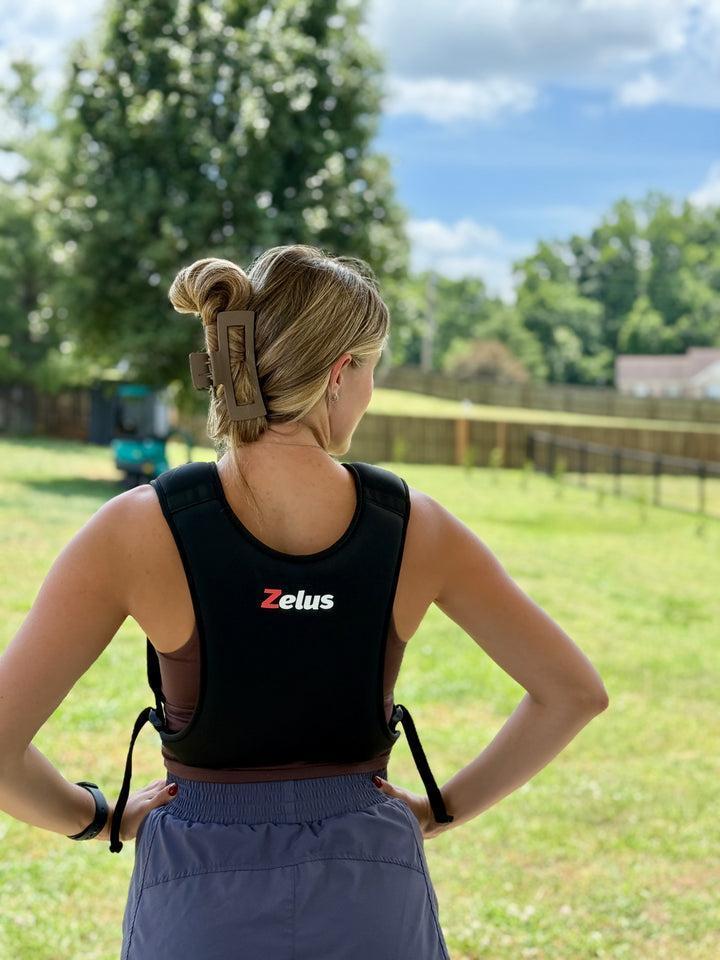
Female torso geometry differs significantly from male anatomy, particularly regarding bust size, shoulder width, and torso length. Traditional boxy vest designs can create restricted chest movement, excessive rubbing near the armpits, or unwanted shifting during dynamic exercises.
When selecting a weighted vest for women, several structural characteristics should be evaluated:
- Bust Accommodating Cutouts: Vests designed with narrower front panels or X-shaped harness configurations prevent excessive pressure across the chest area while retaining secure weight distribution.
- Shorter Torso Length: A vest that extends too far past the rib cage can hit the thighs during squats or interfere with hip flexion during walking. A shorter cut ensures complete freedom of movement at the waist.
- Soft, Non-Chafing Materials: Neoprene and padded edge linings prevent skin irritation, particularly around the collarbone and armholes during repetitive movement.
Integrating Resistance Wearables into Fitness Routines
Adding moderate external loads to functional movements can yield significant health outcomes for women, particularly regarding bone metabolic health and muscular endurance. After the age of thirty, gradual bone density reduction becomes a physiological consideration for many women. Weight-bearing exercises provide the necessary stimulus to support bone health over time.
Practical applications for women’s weighted vests include:
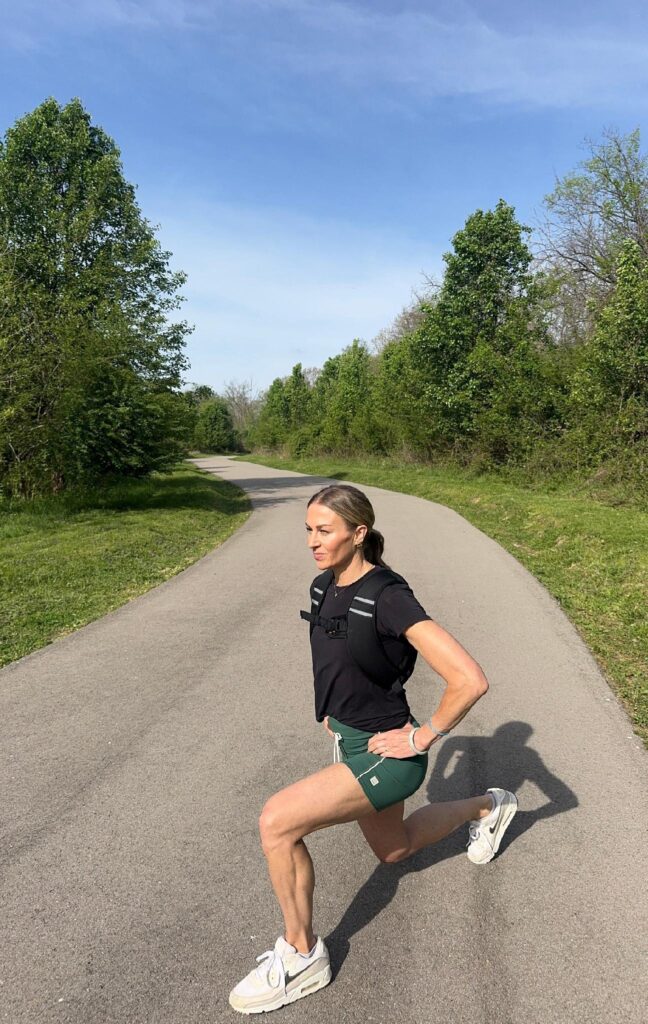
- Calisthenic Progression: Adding 5 to 10 pounds to bodyweight squats, lunges, and step-ups increases localized muscle recruitment without requiring barbell setups.
- Aerobic Enhancement: Wearing a vest during incline treadmill walking or outdoor strolls elevates heart rate without requiring high-impact movements like running.
- Postural Awareness: A fitted vest acts as a tactile reminder to keep shoulders back and core engaged during prolonged physical activity.
Final Recommendations
Prioritizing fit over maximum load capacity yields better long-term workout consistency. Users should begin with lighter, adjustable weight options to establish proper biomechanics before attempting to increase the resistance. Proper maintenance, including regular air-drying and cleaning, also preserves the elasticity and hygiene of soft neoprene fabrics over extended periods of use.